Complete Sleep Schedule Guide
Master the art of restorative sleep with evidence-based strategies designed to align your schedule with natural biological rhythms
Understanding Your Circadian Rhythm
Your circadian rhythm is an internal biological clock that regulates sleep-wake cycles over a 24-hour period. This natural system responds to environmental cues like light and temperature, influencing hormone production, body temperature, and alertness levels. When you align your sleep schedule with this rhythm, you experience deeper rest and more energetic waking hours.
Modern lifestyles often disrupt these natural patterns through irregular schedules, artificial lighting, and digital device usage. At braxylonbrex, we help you recalibrate your internal clock through structured scheduling techniques that respect your biological needs while accommodating real-world demands.

Essential Sleep Hygiene Practices
Consistent Schedule
Maintain the same sleep and wake times every day, including weekends. Consistency reinforces your circadian rhythm and improves sleep quality over time.
Light Exposure
Seek bright natural light exposure within the first hour of waking. This signals your brain to stop producing melatonin and increases daytime alertness.
Temperature Control
Keep your bedroom cool, ideally between 15-19°C. A cooler environment facilitates the natural temperature drop that promotes deeper sleep stages.
Digital Detox
Avoid screens at least 90 minutes before bedtime. Blue light from devices suppresses melatonin production and delays sleep onset significantly.
Caffeine Timing
Limit caffeine consumption to morning hours only. Caffeine has a half-life of 5-6 hours and can disrupt sleep even when consumed in the afternoon.
Exercise Timing
Complete vigorous exercise at least 3 hours before bed. Physical activity raises body temperature and cortisol, which need time to normalize for optimal sleep.
Creating Your Ideal Sleep Environment
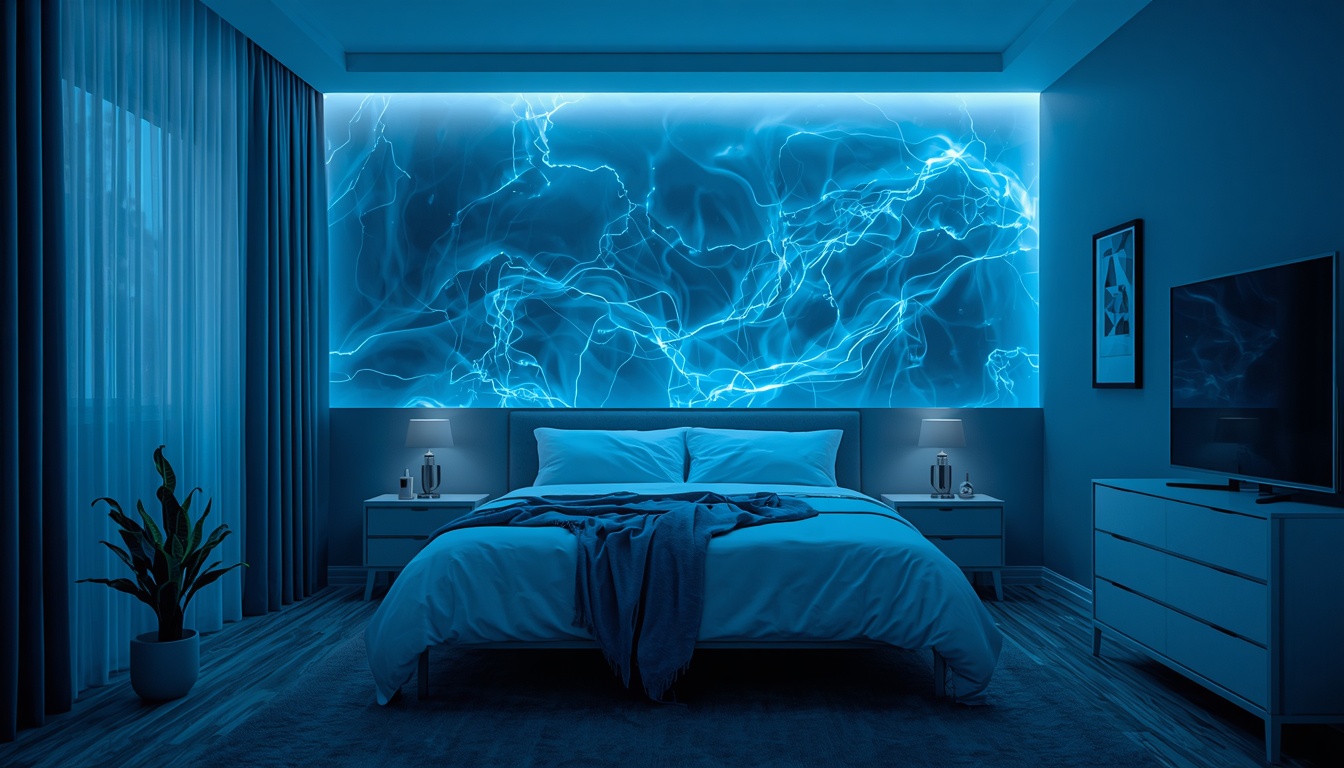
Your bedroom environment plays a crucial role in sleep quality. The right setting signals your brain that it's time to rest and supports the physiological processes that occur during sleep. Environmental adjustments may help improve how quickly you fall asleep and how restorative your rest becomes.
- Complete darkness using blackout curtains or a quality sleep mask to maximize melatonin production
- Minimal noise through soundproofing, white noise machines, or earplugs to prevent sleep disruptions
- Comfortable mattress and pillows that support proper spinal alignment and reduce pressure points
- Fresh air circulation and appropriate humidity levels between 30-50% for respiratory comfort
- Clutter-free space dedicated solely to sleep and relaxation, not work or entertainment
- Calming scents like lavender or chamomile to promote relaxation through aromatherapy
Sample Sleep Schedule
This example schedule demonstrates how to structure your day for optimal sleep. Adjust timing based on your natural chronotype and obligations.
| Time | Activity | Purpose |
|---|---|---|
| 6:30 AM | Wake up at consistent time | Anchors circadian rhythm |
| 6:45 AM | Bright light exposure | Signals daytime to brain |
| 7:00 AM | Balanced breakfast | Supports metabolism |
| 2:00 PM | Last caffeine intake | Prevents sleep interference |
| 6:00 PM | Exercise completion | Allows body to cool down |
| 8:30 PM | Begin wind-down routine | Prepares mind for sleep |
| 9:00 PM | All screens off | Protects melatonin production |
| 10:00 PM | Lights out, bedtime | Ensures 8+ hours sleep |
Common Sleep Challenges
Sleep Onset Difficulty
If you struggle to fall asleep, implement a 20-minute rule: leave your bed if sleep doesn't come within 20 minutes. Return only when drowsy to strengthen the bed-sleep association.
Night Awakenings
Middle-of-the-night waking often relates to stress or poor sleep environment. Address underlying anxiety and ensure your bedroom remains dark, cool, and quiet throughout the night.
Jet Lag Recovery
Adjust your schedule gradually before travel, seek light exposure at appropriate times in your new location, and consider brief strategic naps to ease the transition between time zones.
Shift Work Adaptation
Night shift workers benefit from consistent sleep schedules, blackout curtains for daytime sleep, strategic caffeine use, and bright light therapy during work hours to reset the circadian system.
Need Personalized Guidance?
While these guidelines work for many people, individual circumstances vary. Let us create a customized sleep schedule tailored to your unique needs and lifestyle.
Get Your Custom Plan